Bellroy Slim Wallet Review for Back Pocket Comfort
A wallet can look slim on a product page and still feel like a little brick once it is in your back pocket. The difference usually comes down to more than the wallet’s empty dimensions: how many cards you carry, how the leather bends, where the seams sit, and whether the design makes you stack everything in one spot.
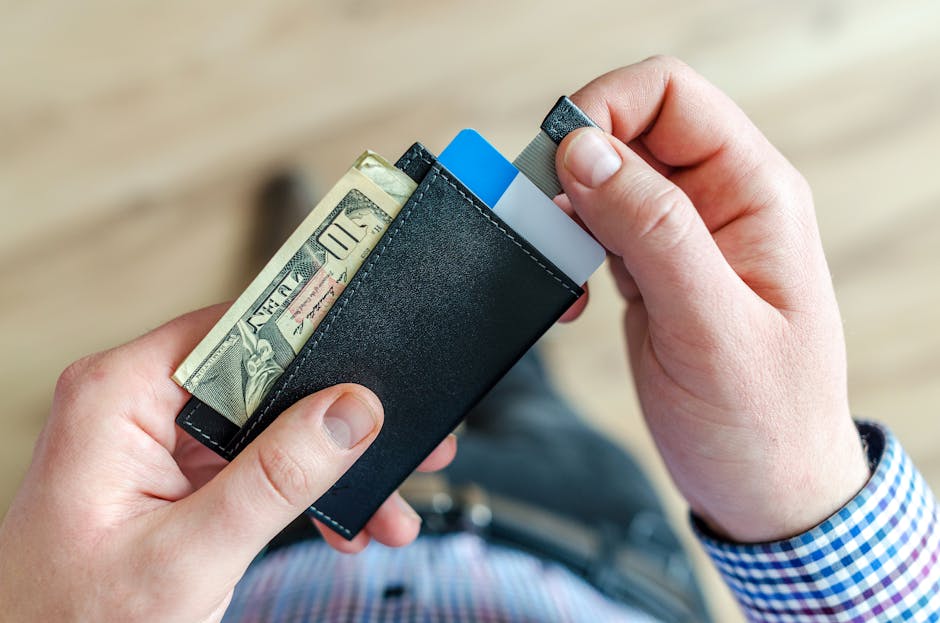
The Bellroy Slim Sleeve is designed for people who want a traditional bifold shape without carrying a traditional bifold’s bulk. Its appeal is straightforward: keep a small daily selection of cards and folded cash close at hand, with less wallet taking up room. But does it actually make back-pocket carry more comfortable? The short answer is that it can—provided you treat “slim” as a cue to edit your load, not a promise that any number of cards will disappear into a pocket unnoticed.
This review looks at the feel, capacity, leather-language questions, day-to-day practicality, warranty transparency, and personalization details I would check before buying. Product materials and policies can change, so confirm the current Bellroy product page and warranty page before placing an order.
Quick Verdict
The Bellroy Slim Sleeve is a sensible option for someone who wants a compact wallet for a deliberately limited everyday carry. Its slim profile is most convincing when you carry a few frequently used cards and a modest amount of folded cash. Overload it, and the advantages fade: the wallet gets thicker, cards become harder to retrieve, and the pressure in a back pocket becomes more noticeable.
What to consider What it means in daily use Back-pocket comfort Best when you keep the card load restrained and avoid sitting on a bulging wallet for long periods. Capacity Think essentials, not every loyalty card, receipt, and backup card you own. Leather description Read the current product page for specific grade and finish wording rather than relying on “premium” alone. Long-term ownership Check the warranty page for readable terms, coverage limits, and the claims process.The Slim Wallet Feel Difference
The slim wallet feel difference is less about holding a wallet in your hand and more about noticing it during ordinary movement. A tall, thick wallet can press against your hip when you sit, shift around as you walk, or make one side of your pocket hang lower. A smaller bifold can reduce that sensation, especially if its contents are arranged without a thick stack of cards in the center.
For back-pocket carry, position matters. Even a compact wallet may feel uncomfortable if you sit on it for hours, particularly on a firm chair or during a long drive. If you regularly carry in a back pocket, try placing the wallet in the pocket you use less often and remove it before driving. For anyone especially sensitive to pressure, a front pocket may be the more comfortable option, regardless of brand.
Why empty dimensions do not tell the whole story
A wallet’s listed measurements describe the empty product, not the object you will actually carry. Cards add layers; folded bills add a thicker ridge; receipts and spare cards fill gaps that were meant to stay empty. Stitching and folded leather also contribute to the structure. That is why I pay attention to the wallet’s loaded profile rather than relying on a single measurement or a product photo.
When comparing options, look for images that show the wallet open and loaded. Notice whether the cards sit in separate positions or form one dense stack. Check the edges, too: clean, even finishing can help a wallet look tidy, while bulky seams or layers may add stiffness in places where the wallet bends. Product photos cannot tell you everything, but they are useful clues when read carefully.
Wallet Thickness: The Load Is the Main Variable
Wallet thickness is a shared responsibility between the design and the person carrying it. The Slim Sleeve can help reduce the footprint, but it cannot make ten cards and a pocketful of receipts feel like three cards. If you want the wallet to remain comfortable in a back pocket, decide on a realistic daily card count before buying.
A useful test is to empty your current wallet and sort everything into three groups:
- Daily essentials: the payment cards, identification, and other items you genuinely use most days.
- Occasional items: cards you need now and then but not on every errand.
- Archive: expired cards, old receipts, and “just in case” items that can live elsewhere.
Move the first group into the wallet and carry it for a week. If you keep reaching for something in the second group, reassess. This small exercise is more useful than trying to find a wallet with a dramatic capacity claim. Slimness is a result of both construction and restraint.
Carry same cards less space
The practical promise is to carry same cards less space, not to fit an unlimited stack into a smaller shape. A well-organized compact wallet can keep the cards you actually use accessible while reducing the empty bulk around them. It is a worthwhile switch if your current wallet contains plenty of unused space, duplicate cards, or accumulated paper.
Look closely at how the card slots work. A design that stores frequently used cards where they are easy to reach may feel more convenient than one that technically holds more but makes you pull out a stack. On a product page, check the access points and card arrangement rather than counting only the advertised slots. Slot count is not the same as comfortable usable capacity.
Leather: Ask for a Grade, Not Just a Mood
Leather descriptions deserve a careful read. “Premium,” “luxurious,” and “high quality” sound reassuring, but they do not identify the leather grade or explain its surface treatment. If leather longevity matters to you, look for direct wording about whether the material is full-grain, top-grain, or another specified type, and read any notes about coating, tanning, or finish.
Full-grain leather generally retains the natural grain surface rather than being sanded down to remove it. That does not automatically make every full-grain wallet better than every alternative: hide selection, tanning, construction, and finishing still matter. But clear wording gives a buyer more to evaluate than a vague label does.
On the current Bellroy product page, check the material description for exact terms instead of relying on retailer summaries or broad marketing language. If the page uses a description that does not tell you the grade, treat that as information you still need—not as proof of a particular leather type. I would also zoom in on product images for consistent stitching and tidy edge treatment. Photos can suggest care in finishing, though they cannot verify leather quality on their own.
This is a useful comparison point when browsing other makers. Von Baer, Saddleback Leather, and Leatherology each offer different styles and product ranges, so compare the specific wallet pages rather than assuming all items from a brand use the same leather or construction. For every contender, look for the exact model’s material wording, loaded dimensions, and care guidance.
Daily Carry Practicality
A slim wallet should make your routine easier, not turn every checkout into a card-juggling exercise. Before buying, picture the moments when you use it: tapping a payment card, finding your ID, paying with cash, or pulling out a less-used card. A compact design works best when those actions are simple and the contents stay put.
For everyday use, consider these questions:

- Does the wallet hold the cards you use most without forcing them into a single hard-to-access stack?
- Can you carry folded cash without creating a thick lump?
- Will you need to carry coins, receipts, business cards, or several membership cards?
- Do you prefer an easy-access slot, or are you comfortable removing cards from a section?
- Does your usual back pocket have enough room to sit comfortably with the wallet loaded?
If you routinely carry coins or a large collection of cards, a different format may suit you better. A slim bifold is not leather gift for promotion automatically the right answer simply because it is described as slim. The best everyday wallet is the one that fits your actual habits without making you carry either too much or too little.
Warranty Transparency: Read the Terms Before You Buy
A warranty is only reassuring if you can understand what it covers. I check warranty pages before ordering, not after something goes wrong. Look for the coverage period, what counts as a defect, what wear is excluded, whether proof of purchase is required, and how to start a claim. Also note whether the remedy is repair, replacement, or another option, and whether shipping costs are addressed.
Use Bellroy’s current warranty page as the authority for its terms. Do not assume a wallet is covered against every kind of damage simply because a page uses a broad promise about quality or durability. Normal wear, accidental damage, and manufacturing faults may be treated differently. If the wording is hard to follow, contact the company before purchasing and save the answer with your receipt.
This is where brand comparisons need care. Von Baer, Saddleback Leather, and Leatherology may each have their own warranty language, but policies can vary by product, region, and purchase channel. Compare the readable terms for the exact wallet you are considering. A clear process is more useful than a bold headline that leaves the important exclusions buried.
Monogramming: Ask How the Initials Are Applied
Personalization can make a wallet feel considered, especially as a gift, but the method matters. Before ordering initials, ask whether they are embossed, debossed, foil-stamped, printed, engraved, or applied another way. Each method has a different look and may age differently depending on the leather finish and daily friction.
Debossing presses a design into the material; foil stamping adds a colored layer; printing places color on the surface. Those descriptions alone do not guarantee how long the mark will remain crisp. Ask the maker how the chosen method behaves on the specific leather and whether personalization changes return eligibility. I am particularly cautious about surface-applied marks on a wallet that will spend the day rubbing against keys, pockets, or other leather goods.
If longevity is the priority, request a close-up example on the same leather and finish, not just a generic monogram photo. Ask whether the initials are applied before or after any topcoat, and whether the maker has care advice for preserving them. A tasteful, pressed-in mark may be less visually vulnerable than a bright surface treatment, but the exact result depends on the process. Get the answer before submitting initials you cannot easily remove.
How to Decide If the Bellroy Slim Sleeve Fits You
- Count your daily essentials. Separate must-carry cards from occasional and unnecessary items.
- Check the loaded layout. Review product photos and slot details to see how your usual cards will sit.
- Read the material wording. Look for a specific leather grade and finish description on the current product page.
- Read the warranty page. Confirm coverage, exclusions, and the claim process before you buy.
- Ask about personalization. Find out exactly how initials are applied and whether that affects returns.
- Consider your pocket habits. If you sit on your wallet for hours, test front-pocket carry or remove it while driving.
Final Thoughts
The Bellroy Slim Sleeve makes the most sense for someone who wants a compact bifold and is willing to carry a considered set of essentials. Its back-pocket comfort depends less on the word “slim” than on the wallet’s loaded thickness, your pocket, and how long you spend sitting on it. Keep the card count modest, leave receipts out, and the compact format has a better chance of feeling like a genuine upgrade.
Before buying, verify the current leather description on the product page, inspect the stitching and edges in the available photos, and read the warranty terms in full. If you want initials, ask how they are applied and how the mark is expected to wear. Those checks take a few minutes, but they are the difference between choosing a wallet for its real-world details and choosing one for a polished product photo.