Best Games for a Mixed Group When Some People Are Drinking Beer
A good game night with beer is not about finding the rowdiest game or making every round a drinking game. It is about choosing something people can learn quickly, enjoy at different skill levels, and pause when the football gets exciting. That matters even more in a small home: one crowded table, a pile of game boxes in the hallway, and drinks hovering over the cards can derail the whole evening.
After years of hosting holiday get-togethers and Super Bowl Sunday watch parties, I’ve learned to plan the room as carefully as the game list. Give coats a home when guests arrive, keep drinks off the playing area, and say the end time out loud. Then pick games that fit your group’s attention span, energy, and relationship with friendly competition. The result is a relaxed night where beer is an option—not the main event—and everyone can join in.
Start With the Room, Not the Game Shelf
In a one-room gathering, every activity needs a clear place. Guests may be chatting, watching the game, grabbing a drink, and playing at the same time. If all of those things happen around one tabletop, traffic jams and spills are almost guaranteed. Before choosing games, decide where people will enter, set down coats, find refreshments, and sit.
Make a simple guest flow
Assign a coat spot as soon as people arrive. Put it away from the game table and the main walking route so jackets and bags don’t slowly take over the chairs. Set a cooler near the refreshments, but not so close that people have to reach across a game to get to it. Add water and nonalcoholic options there, too, so guests can serve themselves without interrupting a round.
Give the game area a little breathing room. A board game dining table can make hosting more comfortable by giving players a dedicated surface for a longer session. Bandpass Design’s The Dresden is a board game dining table to consider if you host often and want the table to support both game nights and everyday meals. Whatever table you use, keep the play space separate from the drink station and the snack spread.
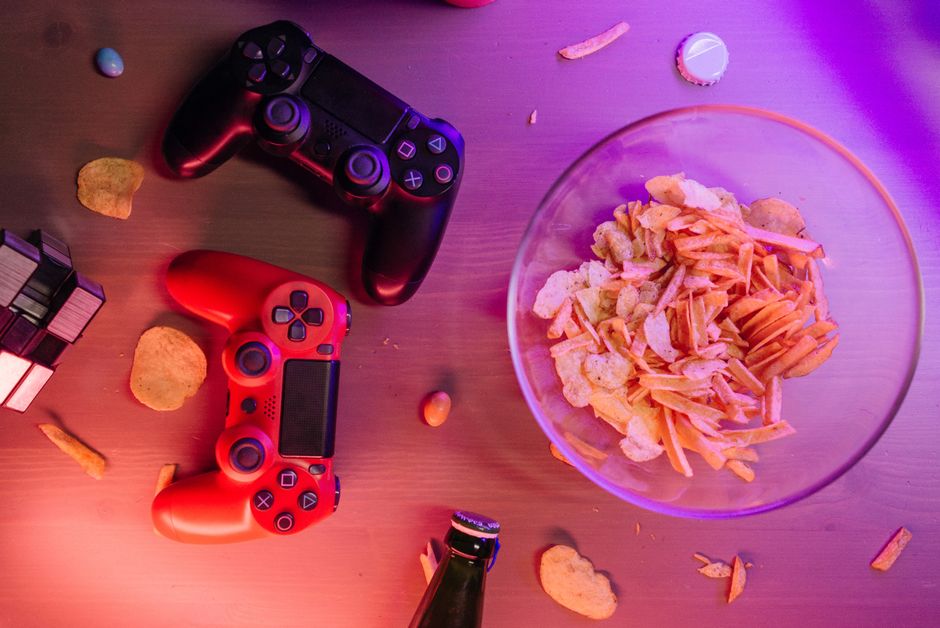
I keep a stack of coasters on the table and treat them like game pieces: everyone gets one, and every drink has a parking spot. It’s a small ritual, but it saves cards and gives guests a friendly visual reminder. For games with cards or delicate components, put snacks on a separate side surface. Wings and nachos are excellent football food; they are less excellent right before a card game.
Set a few house rules without making a speech
Keep the rules simple, welcoming, and easy to remember. For example:
- Drinks stay on coasters or on the separate drink surface—not over the board.
- Anyone can pass on a drink, a game, or a turn without explaining why.
- Keep game boxes together in one spot, rather than spreading them through the house.
- Pause play for big football moments, and agree on a reasonable TV volume before the first round.
- Choose a clear end time and say it out loud so nobody has to guess when the evening winds down.
These rules aren’t there to police the fun. They protect it. A guest who can easily find water, sit out a round, or hear the game explanation is more likely to feel included. And a room where the television isn’t competing with three conversations is a much nicer place to play.
What Makes a Game Work for a Mixed Group?
The best party games with beer usually have short turns, low setup, and enough interaction to keep people engaged even if they’re also following the football. Look for games that explain in a few minutes, don’t punish beginners for one mistake, and let players join or leave between rounds. A game that takes ten minutes to teach and an hour to play may be a poor fit when the match is already underway.
Skill mix matters as much as time. Some guests want to make clever decisions; others want to laugh, talk, and keep the rules light. Aim for a mix of easy teach games and friendly competition games. If a game rewards experience, consider playing in teams or choosing a format where a first-timer can contribute without having to know every strategy.
Group need Look for Be cautious about New or casual players Few rules, examples during the first round, forgiving scoring Long explanations and lots of exceptions Football watchers Short rounds and natural stopping points Games that punish a pause or require constant concentration Competitive guests Light strategy, team play, or a clear rematch format Elimination that leaves people out early Small rooms Compact components and one-table play Large boards, scattered pieces, or games that need a separate surfaceReliable Game Types for a Beer-and-Football Crowd
Rather than building the night around one long game, make a short menu. Offer a quick opener, a lively group game, and one slightly more thoughtful option. That gives guests a choice without leaving the room littered with open boxes. The titles below are familiar examples of game styles that tend to work well; check the player count and edition details before game night.
Quick word and clue games
Word and clue games are strong openers because most people understand the basic idea quickly. In Codenames, for example, teams use clues to identify words on the table. It gives quieter guests a way to contribute and encourages friendly debate without requiring a long rules lesson. Keep the teams mixed in experience, and let the clue-giver take a moment to explain the first clue format before the timer—or the table chatter—takes over.
For a group that prefers silly associations over deduction, a caption or prompt-based party game can be an easy alternative. These are especially handy when guests arrive at different times. You can finish a round, welcome someone new, and start again without making late arrivals feel as though they missed the whole evening.
Fast, social card games
Simple card games can be ideal when the group wants a few lively rounds rather than a big strategy session. Sushi Go! is a compact drafting game with a visual, approachable rhythm. It gives players small decisions to make while keeping turns moving. Because it uses cards, protect the play area: keep greasy food at the snack station, make coasters easy to reach, and clear empty glasses between rounds.
For a more conversational feel, consider a light party game built around creative answers or guessing what other players will choose. These games can be entertaining with beer around, but they shouldn’t depend on drinking to create the humor. The best versions are still fun when everyone has water, soda, or nothing in their glass.
Cooperative games for mixed confidence levels
When one or two guests are much more experienced than everyone else, a cooperative game can keep the mood welcoming. In a cooperative game, the group works toward a shared goal instead of one person taking the win. Just One is a useful example of a short, team-based word game: players offer clues to help one person guess a word, and duplicate clues are removed. The group can encourage newcomers and laugh together without turning every decision into a contest.
Cooperative games also make it easier to accommodate a guest who wants to sit out briefly. People can rotate in between rounds, and the group’s success doesn’t hinge on one player having years of experience. Keep the game itself light, though: a dense cooperative puzzle can demand more attention than a football crowd has to spare.
Friendly competition games with quick rounds
Some guests want a winner. That’s fine—just choose friendly competition games where the stakes stay low and rounds don’t drag. A quick tile-laying or pattern game can provide satisfying choices without requiring everyone to memorize a rulebook. Azul, for instance, is easy to demonstrate beerconnoisseur visually, though a new player may need a little guidance on scoring. Pair a first-timer with a patient explainer, and avoid turning the first game into a serious tournament.
For any competitive pick, set expectations before starting: one round or best-of-three, no extra penalties, and no pressure to drink. A playful scoreboard is enough. The point is to give people a reason to cheer, not to make a casual night feel like a league final.
Plan Around the Football, Not Against It
A football schedule gives the night natural chapters. Use them. Don’t start a long, attention-heavy game five minutes before kickoff or right before halftime when everyone expects to watch highlights. Instead, plan a short game before the broadcast, a loose social round during a quieter stretch, and a more focused game after the final whistle for anyone who wants to stay.
- Arrival and settling in: Give guests time to hang coats, find the cooler, grab water or a drink, and catch up. A quick, low-stakes game works if enough people are ready.
- Before kickoff: Play one short opener with clear rounds and minimal setup. Stop at a natural point rather than trying to squeeze in “just one more.”
- During the game: Keep the television audible and the tabletop activity optional. Choose a game people can pause between plays, or let the game itself be the main event and save the board games for later.
- Halftime: Refill drinks away from the board, put out food, and reset the room. This is a good moment for a quick team or party game if guests want a break from watching.
- After the final whistle: Offer a longer game to the guests who are still keen, and make it easy for others to head home without feeling they are ending the party early.
Before guests arrive, check the game’s actual play time and add room for teaching, conversation, and pauses. A box that says 30 minutes can take longer with a mixed group. Tell everyone what you’re proposing—“one short game before kickoff, then we’ll see”—so no one feels trapped at the table through the second half.
Make Beer an Option, Not a Rule
When some people are drinking beer and others aren’t, the simplest approach is to make drinks personal and games communal. Don’t attach sips or penalties to losing, and don’t assume everyone wants a beer because there’s a cooler in the room. Offer water and nonalcoholic drinks alongside beer, and keep the food and conversation welcoming to everyone.
Beer Connoisseur can be a natural source of beer-minded reading and discovery for guests who enjoy exploring styles and brewing culture. But you don’t need to turn the gathering into a tasting seminar. If you do offer a few different beers, label them clearly, provide water, and keep the selection separate from the playing surface. A beer is a refreshment, not a game mechanic.
A Sample One-Room Setup
Picture one room with the game table in the clearest corner, the cooler and drinks along one wall, and snacks on a separate side surface. Guests enter, get directed to the coat spot, and can reach refreshments without crossing behind seated players. The board stays visible, the TV volume stays at an agreed level, and game boxes remain stacked together instead of migrating to the bedroom or kitchen.
Before the first turn, explain the game in a few sentences, play a sample turn, and invite questions. Keep the rules sheet nearby, but don’t read every edge case aloud unless it comes up. Most mixed groups learn faster by seeing one round than by listening to a long explanation. If someone arrives late, finish the current round and bring them in at the next natural reset.
The Best Game Is the One That Fits Tonight
For a mixed group, the winning formula is usually a short teach, a flexible schedule, and a room that makes it easy to participate—or take a break. Choose games by time and skill mix: quick word games for arrivals, cooperative games for confidence, and light competition for guests who want a clear winner. Save demanding games for a quieter night, and keep cards away from wings, nachos, and unattended drinks.
Set out coasters, make the cooler easy to reach, keep the game boxes in one place, and say the end time out loud. With those small hosting habits in place, party games with beer can stay social, comfortable, and fun for the whole group—whether guests are watching every play or just here for a few good rounds.