How Do I Avoid Drop-Shipped Leather Wallets That Peel?
A wallet can look polished in a product photo and still start peeling after a few months. The problem is often not simply that the wallet was inexpensive or bought online. It’s that the listing hides what the material is, how it’s constructed, or what the seller will do if it fails.
Before buying, inspect the leather grade on the product page, look closely at seams and edges, and read the warranty terms—not just a badge that says “lifetime guarantee.” These checks can help you separate a wallet made from durable leather from one detroit built leather goods whose surface is likely to crack, flake, or lift with everyday use.
Start With the Leather Description, Not the Product Name
Words such as “premium,” “luxury,” and “artisan” sound reassuring, but they don’t tell you what the wallet is made from. A clear product page should identify the material in specific terms and explain which parts of the wallet use it. That last detail matters: a wallet may have leather panels but use synthetic material, bonded leather, or a heavy coating in other visible areas.
Full-grain vs. genuine leather: what the labels actually tell you
Full-grain leather refers to leather that retains the grain layer rather than having that surface sanded away to hide imperfections. It’s often a useful sign when you’re comparing wallets, but the label alone isn’t a promise of perfect construction. Thickness, tanning, finishing, stitching, and how the wallet is used all affect how it wears.
“Genuine leather” is a broad term. It means the material is leather, but it doesn’t tell you that it’s full-grain, how the hide was processed, or whether the surface has a coating. A listing that says only “genuine leather” leaves important questions unanswered. It may describe a serviceable product, but it doesn’t provide the detail you need to judge durability.
Be especially cautious when the listing uses several material terms without explaining them. “Leather-like,” “vegan leather,” “PU leather,” and “bonded leather” are not interchangeable with full-grain leather. Bonded leather is made using leather fibers or scraps combined with binders; its surface can be prone to lifting or flaking. PU is a synthetic material, not animal leather. Neither is automatically unusable, but a seller shouldn’t let shoppers mistake either for a full-grain hide.
What a useful product page should say
When checking the leather grade on a product page, look for more than a single label. A trustworthy listing should make it reasonably easy to learn:
- Whether the wallet uses full-grain, top-grain, split, bonded, or synthetic material.
- Whether the stated leather applies to the whole wallet or only selected panels.
- What the lining, card slots, and interior sections are made from.
- How the leather is finished, especially if the surface looks unusually uniform or glossy.
- Where the product is made, if that information is provided.
If the page repeatedly says “real leather” but never gives a more precise description, contact the seller before ordering. Ask what material is used for the outer panels and interior, and whether any surface layer is synthetic. A useful answer should be direct. If the reply is vague, copied from the product description, or avoids the question, treat that as a reason to keep looking.
Spot the Difference Between Leather Wear and Peeling
Leather changes with use. Full-grain leather may darken, soften, show scratches, or develop a patina. Those changes are not the same as a surface peeling away. Flaking, bubbling, or a thin layer lifting from the material can point to a coated surface, bonded construction, or a finishing problem.
Photos https://bizzmarkblog.com/does-von-baer-do-free-initials-and-how-many-letters/ can offer clues, though they can’t prove the exact material. Zoom in on the wallet’s corners, fold, card-slot edges, and any area where two panels meet. A thick, plastic-looking shine, repeated identical grain patterns, or edges that appear to be a separate film deserve a closer look. Also inspect the stitching: straight, even stitches and cleanly finished edges suggest care, while loose threads, uneven spacing, and messy edge paint can indicate rushed assembly.
Don’t expect every genuine leather wallet to show natural marks. Some makers use corrected or finished surfaces for a consistent appearance. The key is whether the seller explains the material and finish honestly. Product photos are useful for assessing workmanship; they are not a substitute for a clear specification.
Use Warranty Pages as a Buying Tool
I read warranty pages before I buy, because a warranty is only reassuring if you can understand what it covers. Look for readable warranty terms that explain the length of coverage, what counts as a defect, how to make a claim, and whether the seller offers repair, replacement, or a refund.
Pay close attention to exclusions. Ordinary wear and tear is often excluded, but that phrase shouldn’t be used to obscure a product failure. Find out how the company treats peeling, delamination, broken stitching, or a strap or lining coming loose. Check whether you need proof of purchase, whether shipping costs are your responsibility, and whether the warranty applies to personalized items.
Also distinguish a warranty from a return window. A short period for returns may let you send back an unsuitable wallet, while a warranty may cover specific defects later. Neither one necessarily guarantees that the wallet will last for years. If the policy is difficult to find, full of undefined exceptions, or limited to a vague promise to “make it right,” ask for clarification in writing before purchasing.
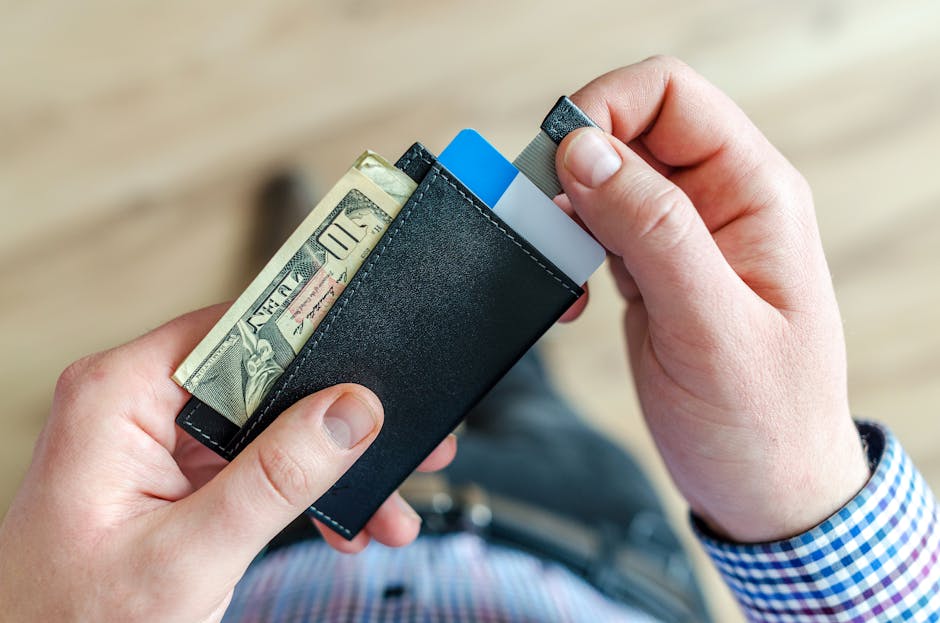
Brands such as Von Baer, Saddleback Leather, and Leatherology can be useful names to include in a comparison, but don’t rely on brand recognition alone. Check the specific wallet’s product page for its leather description, then read the current warranty page for that product or collection. Materials and terms can vary by item and may change over time.
Choose for Daily Carry, Not Just for the Listing Photo
A durable wallet still has to suit the way you carry it. If you regularly stuff a slim wallet with old receipts, extra cards, and folded bills, the fold and seams will be under more strain. That stress can accelerate damage in any construction, especially around card slots and corners.
Think through your routine before choosing a style:
- For a front pocket: A slim cardholder or compact bifold is often more comfortable than a thick, overfilled wallet.
- For frequent card access: Check that slots are neatly stitched and not cut so tight that you have to force cards in and out.
- For cash and receipts: Choose a layout that fits your normal load without bulging at the fold.
- For a back pocket: Consider whether you’ll sit on the wallet regularly; repeated bending and pressure can stress the leather and seams.
- For a low-maintenance wallet: Ask what care is recommended and avoid assuming that “water resistant” means waterproof.
Even the best leather can wear poorly if the wallet is consistently overloaded or exposed to moisture and heat. Practicality is part of durability: the right size and layout make it less likely that you’ll stretch the slots or strain the fold.
Ask How Monograms Are Applied
Personalization can make a wallet feel thoughtful, but it’s worth finding out how initials are added before ordering. Monogramming methods differ, and they can affect both the appearance and long-term wear of the surface.
- Debossing or stamping presses letters into the leather. It can wear gradually as the wallet is handled, but it doesn’t rely on ink sitting on top of the surface.
- Foil stamping adds a colored or metallic layer. The result can be crisp, though the foil may fade or rub away with friction over time.
- Printing or surface-applied lettering can be vulnerable to abrasion, depending on the ink and finish.
- Engraving may be used on metal components or other materials; ask exactly where and how the initials will appear.
Ask whether the initials are debossed, foil-stamped, printed, or applied another way, and whether the personalization affects returns or warranty coverage. If the letters are going on a coated or highly finished surface, ask how they’re expected to hold up with daily handling. No method is immune to wear, but a seller should be able to explain what you’re buying instead of calling every option simply “custom engraved.”
A Quick Product-Page and Warranty Checklist
What to check A reassuring sign A reason to ask more Leather description The page names the leather grade and says where it is used. Only “premium,” “real,” or “genuine” leather is mentioned. Other materials The lining and interior materials are identified. The listing calls the wallet leather but leaves its construction unclear. Photos and finish Close-ups show the fold, corners, stitching, and edges. Only distant or heavily edited images are available. Warranty Coverage, exclusions, and claim steps are readable and specific. The promise is broad, hard to find, or full of unclear exceptions. Monogram The method and any personalization restrictions are explained. The seller won’t say how initials are applied or how long they may last.Questions to Send Before You Buy
If the product page doesn’t answer your concerns, send a short, specific message. For example:
- “Is the outer leather full-grain, top-grain, split, or another type?”
- “Are any panels, card slots, or lining made from bonded leather or synthetic material?”
- “Is the visible surface coated, and what should I expect it to look like with daily use?”
- “Does your warranty cover peeling or delamination, and how do I start a claim?”
- “How are initials applied, and does personalization change the return or warranty policy?”
Save the product description and the seller’s reply. That gives you a record of what was represented if the delivered wallet differs from the listing. A prompt, detailed answer is a positive sign; silence or evasive wording is useful information, too.

Don’t Let a Low Price or “Lifetime” Badge Decide for You
A low price doesn’t prove that a wallet is drop-shipped, and a high price doesn’t prove that it’s well made. Likewise, a “lifetime” badge is no substitute for readable warranty terms. Drop-shipped listings can be difficult to evaluate when the seller provides generic photos, little material detail, and no clear route for support—but those clues are warning signs, not conclusive proof.
When you’re trying to avoid a wallet peeling after months, use a simple order of operations: confirm the leather grade, inspect close-up photos, check the construction and everyday layout, and read the warranty before you personalize or purchase. If the seller can explain the materials, finishing, monogram method, and coverage in plain language, you can make a more informed choice. If the answers stay vague, your safest move is to keep shopping.