How to Choose an Engagement Ring Metal If Your Jewelry Is All Silver-Colored
If your everyday jewelry is silver-colored, you already have a useful clue about what you like: cool-toned metal against your skin. But that doesn’t automatically mean you need a white-metal engagement ring—or that your ring has to match every necklace and earring you own. The best choice is the one you’ll enjoy wearing, can care for comfortably, and feel good about buying.
As someone who has spent years around bridal styling and jewelry, I’ve seen couples get caught up in rules that don’t matter nearly as much as comfort, durability, and personal meaning. The metal is part of the story, not a test of whether you’re doing engagement rings “right.” Here’s how to weigh your options, from platinum vs white gold to mixing metals, choosing a modern silhouette, and building a ring that feels like yours.
First, “Silver-Colored” Doesn’t Always Mean Silver
Silver-colored jewelry can be made from sterling silver, platinum, white gold, palladium, stainless steel, or other metals. They may look similar at a glance, but they differ in price, maintenance, strength, and how they wear over time. If your favorite pieces are sterling silver, you may love the look of a white-metal engagement ring—but it’s worth comparing materials rather than shopping by color alone.
Engagement rings get more daily wear than many other pieces of jewelry. They meet countertops, pockets, gym equipment, hand sanitizer, and the occasional sweater cuff. That makes the practical details important, especially if the ring will be worn every day.
Platinum vs White Gold: The Main Differences
Platinum and white gold are two popular choices for a bright, cool-toned look. Neither is universally “better.” The right one depends on your budget, maintenance preferences, ring design, and how the metal feels on your hand.
Consideration Platinum White Gold Appearance Naturally white, with a soft sheen that develops a patina over time Usually brightened with rhodium plating; the finish may need refreshing Care Can develop fine surface marks; a jeweler can polish or refinish it May need periodic rhodium replating, depending on wear and preference Feel Often feels substantial because it is dense Often feels lighter than a similar platinum ring Budget Typically costs more, though design and market factors affect the final price Often offers a lower initial price than platinum Allergies Generally a good option to discuss if you have metal sensitivities Alloy ingredients vary; ask what is in the specific ring if you have sensitivities
When Platinum Might Suit You
Platinum may appeal if you want a naturally white metal and would rather skip routine replating. Its surface will still change with wear: small marks and a soft patina are normal, not a sign that the ring is failing. Some people love that lived-in finish; others prefer the brighter look of a freshly polished ring. Try one on before deciding, and notice its weight as well as its appearance.
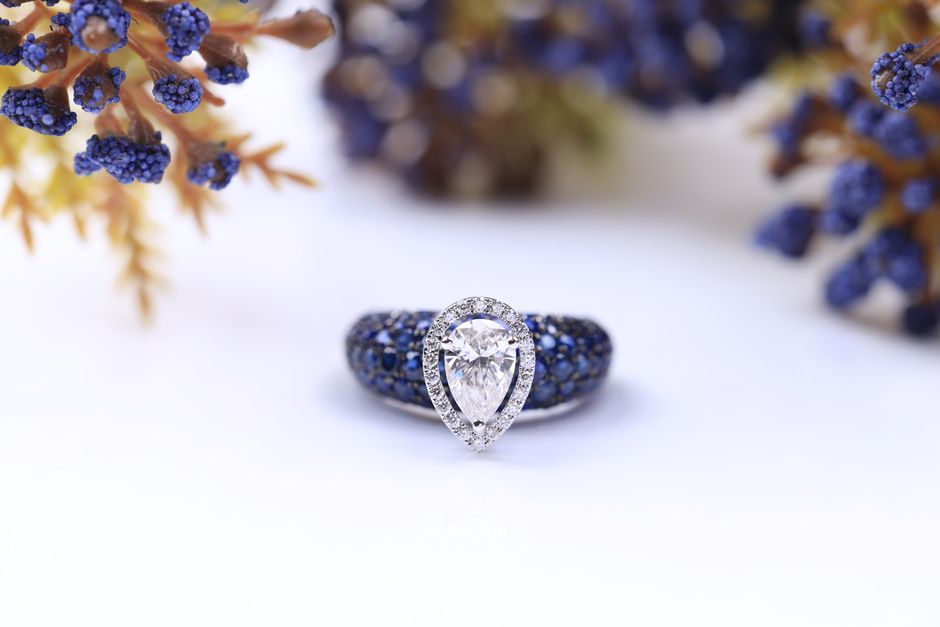
When White Gold Might Suit You
White gold can be a practical way to get a bright, cool-toned ring at a more accessible starting price. It is an alloy, so its exact composition depends on the piece. Many white gold rings have rhodium plating for a crisp white finish. That finish can wear, especially on the underside of the band, and may eventually need maintenance. Ask the jeweler what care is expected and what it costs locally.

One useful question: “What will this ring look like after five years of normal wear, and what maintenance should I plan for?” A clear answer is more helpful than a vague promise that a metal is low-maintenance.
Breaking Engagement Ring Traditions Starts With Your Actual Life
There is no rule that an engagement ring must be platinum, white gold, or a diamond solitaire. If your jewelry is all silver-colored, that can be a preference rather than a permanent commitment. Maybe you like the way cool metals look with your wardrobe. Maybe you wear silver because it’s what you inherited. Or maybe you simply haven’t tried anything else.
Try on a few options without looking at the price tags first, if that’s comfortable for you. Compare the same design in different metals, then compare different https://highstylife.com/i-hate-solitaires-what-engagement-ring-styles-feel-more-personal/ designs in the metal you think you want. A ring can look completely different once it’s on your hand. Consider your lifestyle, too: do you take your jewelry off to cook, work out, or care for children? Do you prefer a ring that feels barely there, or one with a reassuring weight?
Budget belongs in the conversation early. It doesn’t spoil the romance; it helps you focus on options that feel exciting without creating stress. Decide together what matters most—metal, stone, size, ethical sourcing, or a particular design feature—then see where you have flexibility.
Metal Matching Without Making Everything Match
Metal matching can make a jewelry collection feel coordinated, but strict matching is not a requirement. A platinum or white gold engagement ring can sit comfortably alongside yellow gold earrings. Mixed metals can look intentional, especially when you repeat the combination in more than one place: a two-tone watch, a mixed-metal necklace, or a stack that includes both gold and white metal.
Think About Your Future Ring Stack
Ring stacking is worth considering before you choose a setting. If you imagine wearing a wedding band beside your engagement ring, check that the two rings sit together the way you want. A large center stone or a low, sculptural setting may leave a gap beside a straight band. A curved or contoured band can follow the shape, but that adds another design decision.
- Try the engagement ring with a straight band and a contoured band.
- Check whether the rings rub, tilt, or leave an uncomfortable space.
- Ask whether the metals are suitable for regular contact with each other.
- Wear the sample rings for a few minutes and notice how they feel between your fingers.
That last point matters more than many people expect. A stack can look beautiful from above and still feel bulky when you hold a mug or make a fist. If you’re choosing a more unusual shape, ask whether you can try a similar finished ring, not just a flat metal sample.
Modern Settings and Silhouettes Change the Mood
The setting influences how a ring looks, how it wears, and how likely it is to catch on clothing. A delicate pavé band may feel different from a smooth bezel, even in the same metal. I keep a mental—and increasingly actual—list of settings that snag on knits. High prongs, sharp edges, and exposed details deserve a quick sweater test before you commit.
For a clean, contemporary look, consider a bezel setting, where a rim of metal frames the stone. It can feel streamlined and offer useful protection around the gemstone’s edges. A low-profile setting keeps the stone closer to your finger, while a tension-inspired or asymmetrical design can feel architectural. Each style has trade-offs: some settings are easier to clean, some need special wedding bands, and some make future stone changes more complex.
Use Pinterest boards for ring inspiration, but treat them as a way to identify patterns—not as a promise that every saved image can be copied exactly. Save rings you like, then note what you respond to: the metal color, the stone shape, the height, the band width, or the overall mood. This helps a jeweler translate inspiration into a ring that suits your hand and daily life.
Colored Gemstones Can Tell a More Personal Story
A colored gemstone can make an engagement ring feel connected to a person, place, or memory. A deep green stone might recall a favorite landscape; a sapphire might echo a family heirloom; a warm peach tone might simply be the color you reach for in your clothes. The meaning doesn’t have to be formal to be real.
Gemstones differ in hardness and toughness, and those differences matter for everyday wear. Ask how a stone handles regular use, whether it needs special care, and whether the proposed setting protects its edges. A jeweler should be able to explain those trade-offs in plain language. If a brand glosses over a stone’s care needs or avoids questions about where materials come from, pause and ask again.
Some couples choose a colored center stone with a silver-toned setting; others pair a cool metal with a contrasting warm-colored gemstone. You can also use a small accent stone rather than making color the focus. There is no requirement for the ring to look like a traditional engagement ring to communicate commitment.
Bespoke Design and Customization: Make the Details Yours
A bespoke ring can help when you have a specific vision, want to work around an heirloom stone, or need a setting shaped for a particular wedding band. Custom does not automatically mean better, and it can involve extra time, design decisions, and cost. But a thoughtful process gives you a chance to adjust details that affect everyday comfort: band width, setting height, edge shape, and how the ring sits next to another band.
Brands and studios take different approaches. Bespoke Bride is a useful source of wedding inspiration and ideas for couples shaping a celebration around their own style. Lily Arkwright offers a range of engagement ring designs to explore if you’re comparing contemporary looks and customization options. Modern Gents is another name couples may come across while researching accessible ring styles. In every case, compare the specific product details and policies rather than assuming that champagne diamond ring a brand name tells you everything about materials, sourcing, or aftercare.
Before placing an order, ask the maker:
- What exact metal and alloy are used?
- Is the ring plated, and if so, what maintenance should I expect?
- Where are the center stone and accent stones sourced?
- Can the ring be resized, repaired, or adjusted later?
- How will the setting work with a wedding band?
- What is covered by the warranty, and what is not?
For a custom project, request a written design summary that records the metal, stone specifications, dimensions, timeline, and any care instructions. Clear documentation protects both your expectations and the maker’s work.
A Simple Way to Decide
If you’re torn between metals, use this process to narrow your choice:
- Set a comfortable budget. Include the ring, expected maintenance, and any future wedding band.
- Try on metal samples. Compare platinum and white gold in person, and notice color, weight, and how each feels.
- Test the setting. Check the ring beside a band and against a knit sleeve. Comfort is not a tiny detail.
- Choose your priorities. Pick the two or three things you care about most, such as low maintenance, a specific stone, or ethical sourcing.
- Ask direct questions. Get clear answers about composition, sourcing, repairs, resizing, and care.
And if you’re planning a wedding alongside the ring search, keep the logistics in their own lane. An invitations promo can help with stationery costs, while a Google Sheet for RSVPs can make guest responses easier to track. Neither needs to dictate your ring choice; they’re simply practical tools for the next part of your planning.
Choose the Ring You’ll Want to Wear
If your jewelry is all silver-colored, starting with platinum or white gold makes sense—but it doesn’t have to be the end of the conversation. Compare platinum vs white gold based on upkeep, cost, feel, and the finish you enjoy. Think about metal matching only as much as it matters to you, and plan your ring stacking before choosing a setting that might make it tricky.
Most importantly, choose a ring that fits your hand and your real life. It can have a modern silhouette, a meaningful colored gemstone, a custom detail, or a traditional diamond in a shape you love. The right engagement ring is not the one that follows the most rules. It’s the one you feel comfortable wearing—and happy to see every day.