I love coffee taste but caffeine ruins my sleep – what should I try first?
If coffee makes your morning feel properly started but leaves you staring at the ceiling later, you don’t necessarily have to give up the taste or the ritual. The first thing to try is usually a small, practical change: move your last caffeinated coffee earlier, then see whether your sleep improves.
Caffeine and sleep are closely linked, but people vary in how strongly they feel caffeine and how long it affects them. That means there isn’t one perfect cut-off time for everyone. Instead of swapping your whole routine overnight, make one change at a time and give it several days. You’ll get a clearer sense of what’s helping—and keep your comforting coffee moment while you experiment.
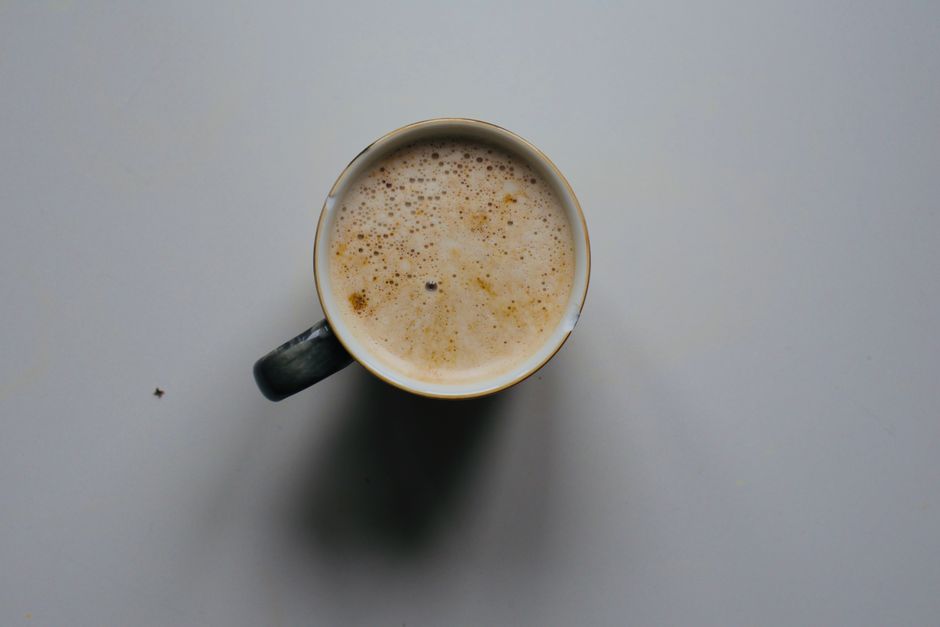
First, change the timing—not the whole ritual
Caffeine is a stimulant, and its effects can last for hours. The Mayo Clinic notes that caffeine can interfere with sleep, particularly when consumed later in the day. How long it hangs around varies between people, so a coffee that seems harmless at lunchtime may still affect your evening rest.
As a first experiment, bring your final caffeinated coffee earlier by an hour or two. Wait, what?. If you usually theinspirationedit.com have one at 3pm, try having it at 1pm for a week. If you’re still taking a long time to fall asleep, move it earlier again. Some people find a lunchtime cut-off useful; others need a longer gap before bed.
Keep the rest of your routine steady while you test this. If you change your coffee, bedtime, evening screen use and exercise all at once, it’s hard to know which change made the difference. A quick note on your phone—last caffeine, bedtime and how rested you feel—can be enough. You don’t need to turn sleep into a spreadsheet.
Don’t forget caffeine beyond coffee
Tea, cola, energy drinks, chocolate and some medicines can also contribute caffeine. If you’re trying to understand your sleep, include these in the picture. That doesn’t mean you must eliminate every source; it simply helps you avoid blaming the cup of coffee while overlooking a strong tea at 5pm.
If sleep problems persist despite sensible changes, or you’re concerned about your health, speak with a GP or pharmacist. Caffeine isn’t the only possible cause of poor sleep, and persistent insomnia deserves more than a change of coffee beans.
Keep the morning ritual you actually enjoy
For many people, coffee is more than caffeine. It’s the smell as the kettle boils, the warmth of a favourite mug and a few minutes that belong to you before the day gets noisy. You can preserve that sequence even if you reduce your caffeine intake.
Try making your usual coffee with a smaller amount of caffeinated coffee, or switch just one cup to decaf. Keep the same mug, brewing method and little pause. Exactly.. If you’re a parent, this can still work on a rushed school-morning: set out the mug and coffee the night before, and make a quick decaf or half-caf drink while breakfast is happening. A familiar ritual is easier to keep than an elaborate new wellness routine.
Another option is to alternate. Have your usual coffee first thing, then choose decaf for the next cup. Or reserve caffeinated coffee for the days when you most want it and use a caffeine-free alternative on other mornings. The aim is not to earn a perfect score for avoiding caffeine; it’s to find a pattern that supports both enjoyment and sleep.
Reduce gradually if you drink coffee every day
Stopping suddenly can be unpleasant for regular caffeine drinkers. Headache, tiredness, irritability and difficulty concentrating are common withdrawal symptoms. They’re usually temporary, but they can make a busy week feel harder than it needs to be.
A gradual reduction is often more manageable. You could reduce the amount in each cup, replace one daily coffee with decaf, or blend caffeinated and decaffeinated beans. Change one cup at a time and stay at each step for a few days before reducing further. If you develop a headache, slow the process rather than deciding the experiment has failed.
Try a decaf blend or half-caf
A decaf blend can preserve much of the flavour and brewing experience of coffee while substantially reducing caffeine. Decaf isn’t always completely caffeine-free, so check the product details if even small amounts seem to affect you. A half-caf cup—made with a mix of regular and decaffeinated coffee—is another useful stepping stone.
Flavour depends on the beans, roast and preparation, not just caffeine content. A well-made decaf can taste rounded and satisfying, especially if you brew it in a way you already enjoy. Consider trying a smaller pack before committing to a large bag. You might also look for organic Arabica coffee if that suits your preferences, but “organic” describes how the coffee is produced; it doesn’t mean it contains less caffeine.
Option What it changes A useful first experiment Earlier last coffee Timing of caffeine Move it earlier by one or two hours for a week Half-caf Amount of caffeine Mix regular and decaf for one daily cup Decaf blend Most, but not necessarily all, caffeine Replace your later coffee first Chicory coffee Coffee-style flavour without coffee beans Try a small cup on a caffeine-free afternoonCould chicory coffee be worth trying?
Chicory coffee is a roasted-root drink that can have a dark, toasty, slightly bitter flavour reminiscent of coffee. It’s naturally caffeine-free when made from chicory alone, although blends may include coffee or other ingredients, so check the label. It can be an appealing afternoon option if you want something warm and robust without adding more caffeine.
It won’t taste exactly like your favourite espresso, and that’s fine. Think of it as a different drink that may suit a particular moment, rather than a perfect imitation. Start with a small serving and follow the preparation instructions; the right water amount and brewing method can make a noticeable difference to flavour.
The Smithsonian Magazine has explored coffee’s long cultural history and its place in everyday life. That broader perspective is a useful reminder: coffee habits are shaped by ritual and social life as much as by the drink itself. If the taste and pause matter to you, there are several ways to keep them while adjusting your caffeine intake.
Functional lattes: read the label before the claims
Functional lattes may include ingredients such as mushrooms, herbs, protein, spices or amino acids. Some are made with coffee; others are caffeine-free. This reminds me of something that happened learned this lesson the hard way.. They can be convenient, but marketing language can make modest or uncertain evidence sound like a guaranteed result. Be wary of promises to “balance hormones”, “fix sleep” or deliver a dramatic energy boost.
Look for a clear ingredient list and specific quantities. Vague “proprietary blend” labels make it difficult to tell how much of each ingredient you’re getting. Check whether the product contains caffeine from coffee, tea or another source, and whether the serving size is the amount the claims refer to. Also consider added sugar, allergens and any ingredients that could interact with medication or health conditions.
What about L-theanine?
L-theanine is an amino acid found naturally in tea and is also sold in supplements and some drink mixes. It’s sometimes paired with caffeine in products marketed for focus. Research into its effects is ongoing, and a product containing L-theanine should not be treated as a proven way to cancel out caffeine’s effect on sleep.

Ask yourself this: if a latte contains both caffeine and l-theanine, count the caffeine as caffeine. If you’re pregnant, breastfeeding, taking medication or managing a health condition, ask a healthcare professional before using concentrated supplements. A straightforward decaf or chicory drink may be a simpler first test than adding several new ingredients at once.
Brands such as Aurive can be part of your product search, but assess any drink on its own ingredients and claims rather than assuming a particular result from the brand name. Look for transparent amounts, clear caffeine information and sensible serving guidance. If those details aren’t available, it’s reasonable to choose something with a clearer label.
A simple one-week plan
- Choose one change. Start by moving your last caffeinated coffee earlier, or replace your latest cup with decaf. Don’t do both immediately if you want to understand the effect.
- Keep your morning cup. Preserve the mug, brewing method and quiet moment that make coffee enjoyable.
- Notice the pattern. For a week, jot down your last caffeine, approximate bedtime and how rested you feel. Look for a trend rather than judging one bad night.
- Adjust gently. If sleep hasn’t improved, bring caffeine earlier or reduce another serving. If you feel withdrawal symptoms, make the change more gradually.
- Choose a satisfying replacement. Test a decaf blend, half-caf or chicory coffee in the part of the day when you want the taste but not the stimulation.
What to try first
If you love coffee but suspect caffeine is disrupting your sleep, start with timing: move your last caffeinated cup earlier and keep the rest of your routine familiar. If that isn’t enough, gradually reduce the amount, using a decaf blend or half-caf as a bridge. Chicory coffee can give you a caffeine-free, coffee-style option, while functional lattes are worth considering only after you’ve checked their ingredients and caffeine content.
You don’t need to abandon the morning ritual or buy a product promising a transformation. A small change, tested consistently, is often the most useful first step—and it can fit around real life, including the occasional school-morning scramble.