Is the Four Cs Enough to Compare Diamond Prices?
When shopping for a diamond, whether it’s for an engagement ring, anniversary gift, or a special occasion, the “Four Cs” — Cut, Carat, Clarity, and Color — are always the starting point. But are they truly enough to compare diamond prices and find the best value? Anyone who’s browsed collections at Hatton Garden Jewellers or scrolled through the GIA diamond quality factor pages will know it’s not quite that simple.
In this comprehensive guide, we will unpack the complexities behind the Four Cs, highlight why the diamond cut vs carat trade-off matters far more than many buyers realise, and reveal crucial tips about verifying grading reports to avoid costly mistakes. We’ll also touch on how diamond shape and perceived size influence your decision far beyond what carat weight indicates — and yes, even throw in a nod to the world of mobile entertainment with the MRQ mobile casino app, because comparing diamond features sometimes feels like strategising at a game!
https://hatton-garden-jewellers.co.uk/7-things-to-check-before-buying-a-diamond-ringUnderstanding the Four Cs: More Than Just Simple Letters
The Four Cs provide a universal language to describe diamonds, but it’s rarely straightforward to compare them solely by these categories.
- Cut: The most important factor in sparkle and brilliance.
- Carat: The weight of the diamond, often mistaken as size.
- Clarity: Refers to the presence of inclusions or blemishes.
- Color: How colourless or tinted a diamond appears.
Before diving into why the Four Cs are not always enough, let’s clarify each factor briefly.
Diamond Cut: The Ultimate Sparkle Driver
Among the Four Cs, cut impacts sparkle and fire more than anything else. It doesn’t refer to shape (round, pear, oval) but how well the diamond’s facets are proportioned and polished. A poor cut diamond will look dull even if it rates highly on carat and color.
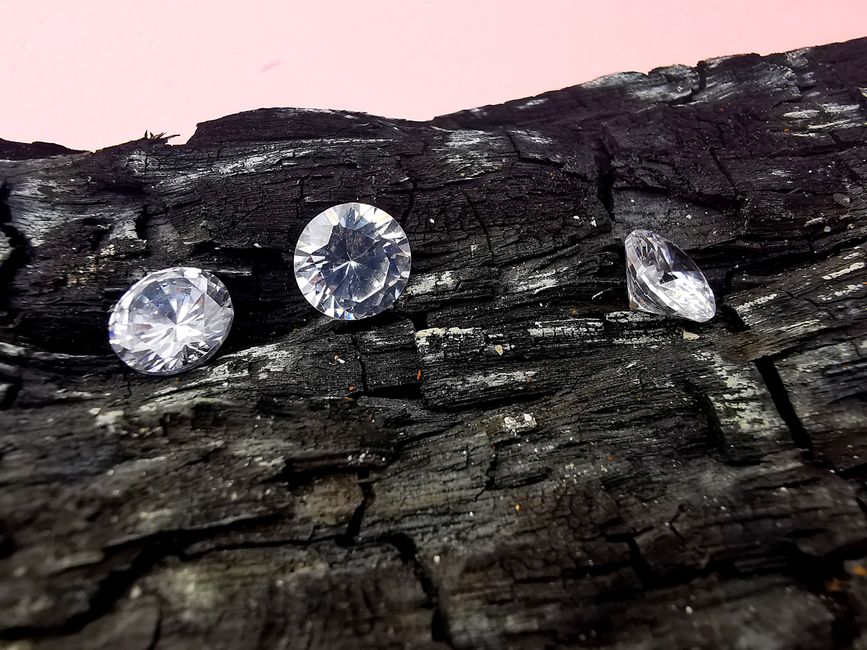
The GIA diamond quality factor pages provide excellent insight into cut grading from Excellent to Poor, emphasizing the importance of angles, symmetry, and finish.
Carat vs Visible Size: Why Weight Isn’t the Whole Story
The carat measures diamond weight, not size. Two 1.0 carat diamonds can have significantly different dimensions depending on their cut proportions and shape.
Shape Average Diameter (mm) for 1 Carat Perceived Size & Notes Round 6.5 Standard, classic round brilliant; reflects light best. Oval 7.7 x 5.1 Appears larger due to elongated shape and surface area. Pear 8.5 x 5.3 Elongated shape creates impression of bigger size. Marquise 10 x 5 One of the largest appearing shapes for its carat weight.Shape greatly influences perceived size — ovals, pears, and marquises often look larger than rounds of equivalent carat weight. That’s why jewelers from Hatton Garden Jewellers often encourage buyers to consider shape alongside the Four Cs.
Diamond Clarity vs Color: Striking the Balance
While clarity deals with internal flaws and external blemishes, and color grades the hue (from D, colourless, to Z, noticeable tint), the visual impact depends on how they're balanced.
- A diamond with VS1 clarity but lower color (like J or K) might look better to the untrained eye than a flawless diamond with a yellow tint.
- Included diamonds graded SI1 or SI2 can sometimes appear eye-clean and save you money.
The trick is balancing diamond clarity vs color depending on your preferences and budget.
Why the Four Cs Aren’t Always Enough to Compare Diamond Prices
Here are the main reasons why relying on the Four Cs alone can mislead you:
- Cut Quality Has Outsized Impact on SparklePrice differences between awesome and poor cuts can be huge, even if carat and clarity are identical. Don’t just look at "Good" or "Very Good" cuts without seeing the diamond in natural light or via video.
- Lab Reports and Certification AuthenticityMany sellers use vague terms like “certified” without naming the lab. Always ask for the laboratory report number so you can verify it independently against trusted databases. For example, GIA reports can be checked via the GIA website by entering the report number. This avoids scams and inflated prices for uncertified stones.
- Carat Weight vs Actual MeasurementsA diamond’s carat doesn't tell you its diameter or depth, which affects spread and sparkle. For instance, a shallow diamond may appear bigger but lacks brilliance, while a deep diamond gives less face-up surface area.
- Shape’s Influence on Perceived Size and PriceShapes like oval, pear, and marquise tend to cost less per carat than round brilliants while appearing larger. They also may suit different ring styles better.
How to Effectively Compare Diamond Prices Beyond the Four Cs
Here are some actionable tips from years of editing jewellery content and sitting in on Hatton Garden consultations:
- Always request the exact report number before discussing prices. This is my go-to habit and helps to verify the grading authenticity with websites like GIA.
- Check proportions, depth, table, and symmetry on the grading report. These numerical details show the cut quality beyond the letter grade.
- Compare face-up sizes by dimensions, not just carat weight. Use millimeter measurements in the report to assess which diamond will look larger on the finger.
- Consider the shape carefully. Non-round shapes often offer better value per apparent size but may have different sparkle characteristics.
- Don’t be tempted by “certified” claims without lab name. Trust only reputable labs like GIA or AGS, and verify via the lab’s online database.
- Ask for videos or in-person viewings, especially to evaluate cut sparkle and clarity visibility under different lighting.
Final Thoughts: Diamonds Are Complex — Shopping Should Be, Too
Just like strategising your next big win on the MRQ mobile casino app requires understanding odds and variables beyond face value, finding the best diamond demands a nuanced approach. The Four Cs provide an essential baseline but are not the full story.
Your diamond’s cut quality, verified grading report, shape, and real measurements will make a much bigger difference in price and appearance than carat weight alone. Remember to:
- Request and verify the laboratory report number.
- Focus on sparkling cut grades rather than chasing carat size.
- Choose shapes that visually maximise size without sacrificing brilliance.
At Hatton Garden Jewellers, transparency, detail, and tailored advice ensure customers aren’t misled by vague descriptions or hidden policies—which unfortunately happens too often in the industry. When you shop informed, you make smarter, more satisfying choices.
If you are planning to buy a diamond, keep this checklist handy:

- Ask for the lab name and report number upfront.
- Verify the report authenticity online before negotiating price.
- Check cut proportions and face-up size carefully.
- Balance clarity vs color to suit your eye and budget.
- Consider shape for perceived size and personal style.
By going beyond the Four Cs, you’ll get the diamond that truly sparkles for you — in brilliance, value, and love.