Why Are Platform Heels Sometimes Easier Than Stilettos?
We all know the familiar wobble—park your car, step onto the pavement, and suddenly your foot’s negotiating a precarious dance on spindly stilettos. But did you ever notice that certain heels, especially platforms, can feel surprisingly more stable and comfortable than their thinner counterparts? As someone who's spent over a decade fitting heels for weddings, corporate workwear, and special events, I’m here to explain the “why” behind this nuanced footwear experience—and how you can make your high heel game more wearable and less foot-painful.
Understanding the Heel-to-Toe Angle: What Does the Pitch Mean?
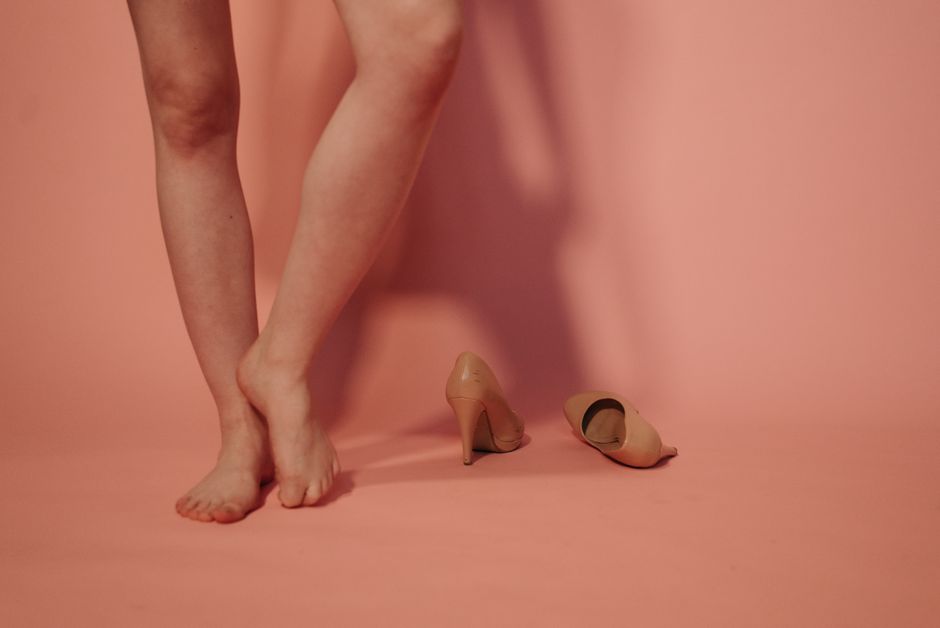
Before we dive into platforms, let’s picture a common scenario: you’re balancing on stilettos with barely an inch or two of sole under your forefoot, but 4 inches or more of heel elevation. This creates a steep heel-to-toe angle, also called the “pitch,” which is the difference in height between your heel and your forefoot inside the shoe. The higher the pitch, the more your foot is forced into a downward slant, shifting more weight onto the forefoot.
In stilettos, which tend to have little or no sole cushioning under the ball of your foot, this steep angle leads to a heavy forefoot load. The ball of your foot, or the metatarsal area, bears a large portion of your body weight during heel wear, resulting in discomfort and sometimes even sharp metatarsal pain. That’s why after a few hours in stilettos, you might feel a burning or aching sensation under the ball of your foot.
How Platforms Change the Game
Enter platform heels. These beauties come with an elevated sole beneath the forefoot, which effectively reduces the heel-to-toe angle. Imagine a platform that’s about 1 to 2 inches thick under the forefoot—this means the steep incline your foot experiences in classic stilettos softens, and the pitch is lessened.
Why does this matter? Because a reduced pitch translates to less intense pressure on the metatarsal region. More specifically:
- Lower Forefoot Load: The platform lifts your entire foot closer to the heel height, so your forefoot stays healthier without being crushed under excessive pressure.
- Improved Balance and Stability: Platforms generally have a wider base, distributing your weight more evenly and giving your muscles less of a battle to keep you upright.
Think of it as moving from a sheer cliff to a gradual hill—not only easier on your feet but on your whole body’s alignment.
Toe Box Compression and Nerve Irritation: The Unseen Culprits
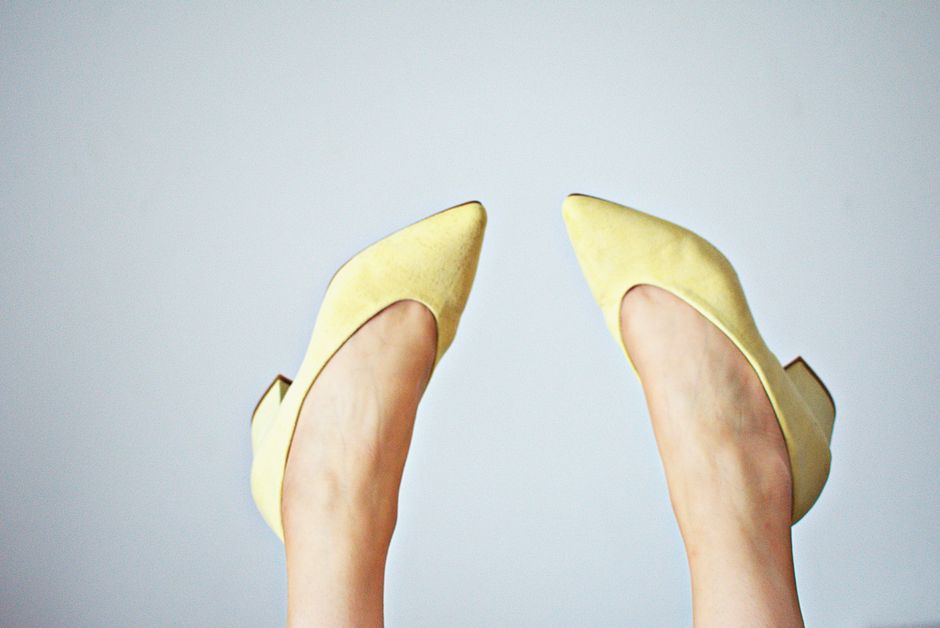
One of the trickiest sources of foot pain in heels, especially stilettos, is the toe box. Many stilettos boast a narrow, pointed front that squeezes your toes tightly together. This compression doesn’t just lead to cramping but can also irritate the nerves, causing burning or numb sensations often mistaken as “just tired feet.”
Platforms, by design or luck, sometimes offer a roomier toe box. This is crucial because:
- Toes need space: When toes are cramped, nerves get pinched—especially the digital nerves running between toes. This may cause tingling or shooting pain known as Morton’s neuroma.
- Better toe splay improves balance: Your toes act like the stabilizers of a tripod. They help keep your foot grounded. When compressed, they can’t do their job effectively, making stilettos feel unstable.
How to Alleviate Toe Discomfort
When you’re in stilettos or platforms, if you feel that swelling or nerve irritation flare up, don’t just push through the pain. Grab a chilled water bottle from the freezer and gently roll your foot back and forth over it for a few minutes. This soothes inflammation and numbs nerve pain. It's a simple but effective tool to keep in your self-care arsenal.
Calf Shortening and Reduced Ankle Range of Motion: Why Your Legs Get Stiff
Long hours in heels create the perfect storm for calf muscles to tighten. Think of standing on tiptoe for prolonged periods—that’s essentially what heels ask your calves to do. Over time, the gastrocnemius and soleus muscles shorten, which isn't just uncomfortable but also reduces your ankle’s range of motion. This restriction can impair your walking gait and lead to instability.
A common misstep in wellness advice Learn more here is ignoring the soleus muscle, which plays a subtle but key role in ankle mobility, especially while bending the knee. Overlooking this means the Achilles tendon can also end up tight, contributing to that “foot stuck in heel mode” feeling after a day of dress shoes.
Platforms Help—but Don’t Eliminate—Calf Strain
Since platforms reduce the pitch, your calves maintain a more natural length compared to stilettos. However, platform heels that still elevate the heel significantly keep your calf muscles in a shortened state to some degree. That’s why incorporating calf stretches targeting both the gastrocnemius and soleus, combined with rolling a tennis ball under your foot, are invaluable in your foot-care routine.
Pro tip: The tennis ball in your drawer isn’t just a quirky office habit. Rolling the ball under the foot massages the plantar fascia, eases tension, and encourages blood flow. It’s one of the best habits I learned over 11 years of https://bizzmarkblog.com/how-many-times-should-i-repeat-the-calf-stretch-the-next-day/ footwear fitting—and it works wonders after any heel wear.
Posture Changes and Lower Back Stiffness: The Body-Wide Impact
Finally, let’s zoom out from your feet to how heels affect your overall posture. A high heel shifts your center of gravity forward, and your body compensates by arching the lower back more (lumbar lordosis). This additional curvature can cause stiffness and discomfort in your lower back after prolonged wear.
Platforms that reduce the heel-to-toe pitch slightly moderate this effect. Less extreme postural compensation means less strain on your lower back muscles and spine. Still, even with platforms, it’s vital to remain attentive to your posture and avoid prolonged standing in heels without breaks.
Complement With Quality Recovery Tools
Whether you're rocking a sleek stiletto or a chunky platform, tools like Joy Organics 1000mg CBD Cream can be helpful in managing localized muscle soreness or inflammation. This product provides a targeted, soothing effect on areas like your calves, feet, or lower back, helping you recover faster.
Joy Organics, known for their transparency and potency disclosure, offer CBD solutions that are third-party tested—always a must for anyone skeptical about vague wellness claims. When you’re caring for your feet and legs after hours in heels, quality topical support can make a real difference.
Summary Table: Platform Heels vs. Stilettos
Aspect Stilettos Platform Heels Heel-to-Toe Angle (Pitch) Steep, higher pitch increases forefoot pressure Reduced pitch due to forefoot elevation; less pressure Forefoot Load Higher load leads to metatarsal pain Lower load, reduces ball-of-foot discomfort Toe Box Compression Narrow, often causes nerve irritation and cramps Generally roomier, reduces nerve issues Calf Muscle Stress Greater shortening and reduced ankle mobility Reduced but still significant; requires stretching Posture Impact More pronounced lumbar lordosis, back stiffness Moderate effect, improved balance Wearability Often less wear-friendly for prolonged use More wearable high heels; better stabilityFinal Thoughts: Making High Heels Work Without Paying the Pain Price
Platforms aren’t magic cure-alls, but they do offer a biomechanically friendlier profile compared to stilettos—particularly by reducing the heel-to-toe angle and forefoot load. If you’re aiming to wear heels longer at events or on the job, choosing a platform can be a smart move to preserve foot health and overall comfort.
Complement your heel choice with simple recovery techniques: roll out your feet with a tennis ball, use a chilled water bottle for inflammation, and consider quality topical aids like Joy Organics 1000mg CBD Cream for calming muscle aches.
Remember, the best wearable high heels respect both style and anatomy. With a little knowledge and care, you can enjoy your favorite shoes while keeping stride smooth and pain-free.