Why Do Nights In Feel Accidental Lately?
There’s a phrase I’m hearing a lot from friends, readers, and folks I’ve spoken to over the past few years: “My nights in just kind of happen.” With the surge of streaming platforms and delivery apps, evenings at home have become simpler to arrange—and yet, paradoxically, these nights in often feel like an afterthought rather than a choice. So why do our nights in feel accidental, like a default setting switching on? This tension between default vs decision is reshaping how we socialize and recharge.
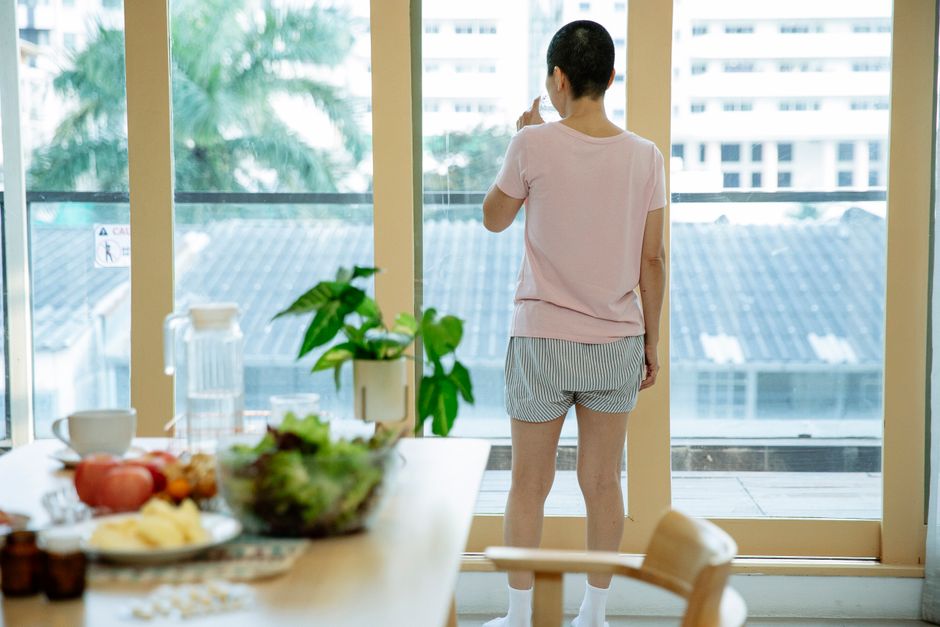
Streaming and Delivery: The New Social Defaults
Streaming services like TheFlixer (theflixer.net) have revolutionized the way we consume entertainment. A vast library of films and shows is available at our fingertips, and binge-watching sessions can start with a few taps. Meanwhile, delivery apps have made acquiring food or treats as effortless as a thumb swipe. This double whammy of entertainment + sustenance is a potent recipe for an evening spent indoors.
While these platforms offer undeniable convenience, they also reshape our social cues. It's as if the social default now bends towards staying inside, watching something, and waiting for a delivered pizza instead of pre-planning a nights out or even hosting at home. The ease can inadvertently flatten active choices into passive resolutions—those accidental nights in.
Intentional Nights In vs Accidental Staying In
There’s a big psychological difference between a night in as a conscious decision versus it unfolding as the easiest fallback. And it's a distinction worth making because it influences how we feel about our leisure—and ourselves. Is staying in your choice or your default?
An intentional night in is a deliberate, often curated event: https://bizzmarkblog.com/why-do-nights-in-feel-accidental-lately/ maybe hosting a friend for dinner, picking a special film on TheFlixer, or setting aside time for personal hobbies or wellness routines. These nights feel rejuvenating—they’re breaks that have defined boundaries and clear beginnings and endings.
Meanwhile, an accidental night in tends to creep in when organising feels like too much—perhaps after a hard day, or when a social invite feels daunting. You park yourself in front of the screen, scroll endlessly through options (sometimes a mental trap I call "infinite scroll nights"), order food because the effort to cook is too big, and — before you know it — the evening slips by. The contrast is in ownership: accidental nights in happen to us, while intentional nights in happen because we chose them.
Hosting at Home as Real Socialising
Here’s a notion I often champion after talking to those juggling chronic illness and burnout: Hosting at home is a form of socializing that’s rich, real, and often underappreciated. "But isn't hosting exhausting?" some say. True, but intentional hosting can be tailored to your energy and boundaries, turning a night in into an authentic social event. It requires planning, yes, but also offers the possibility for connection without the external pressures of going out.
Platforms like TheFlixer can be ally here, enabling shared experiences with friends over a chosen film or series. Dinner delivery makes hosting easier, removing the stress of cooking while still leaving room for personal touches like choosing music, setting an ambience, or handpicking conversation topics. This is socialising that respects the rhythms of home and body.
Preference vs Constraint: Understanding Staying In Habits with Long-Term Conditions
Because I've interviewed many people living with chronic illness, I can’t ignore how health factors reshape our relationship with nights in. For some, staying in is a joyful preference; for others, it’s a necessity dictated by physical constraints. The medical landscape often overlooks this nuance, especially with buzzwords like "social isolation" being thrown around without context.
Helpful resources like MedicalCannabis.co.uk share emerging insights into treatment options that could support some in managing symptoms that otherwise limit their social participation. Meanwhile, guidelines from institutions like NICE (National Institute for Health and Care Excellence) recommend nuanced care plans considering personal choice and medical needs. Staying in is not always about “missing out” — for many, it’s a lifeline that helps balance wellbeing with social connection.
Table: Comparing Types of Nights In
Aspect Intentional Night In Accidental Night In Planning Required Moderate to High (choosing activities, inviting friends) Low (default to easiest option) Feeling of Control Strong ownership and satisfaction Low, can feel passive or aimless Social Interaction Engaged (hosting or scheduled connect) Minimal or background (watching alone) Role of Technology Tool to augment plans (streaming pick, group chat) Default environment (auto-play, endless scrolling) Emotional Outcome Rejuvenating, satisfying Potentially frustrating or emptyOrganising Feels Like Too Much: Overcoming the Activation Energy
One very human barrier to embracing intentional nights in is the mental load of organisation. With endless options, the paradox of choice can overwhelm us—do I pick a movie on TheFlixer? Should I invite a friend? What if they say no? And what if cooking is too much but ordering feels unhealthy? The activation energy to plan can feel impossibly high, nudging us into a passive default.
For people managing chronic conditions, this burden can be heavier—decision fatigue is real, and sometimes the line between prioritizing rest and avoiding “too much” is razor-thin. Recognising when we’re choosing a night in and when it’s simply falling into place is key to taking back a sense of agency.

Suggestions for Making Nights In Feel More Intentional
- Set a Simple Plan Ahead: Even a loose plan like “watching one movie on TheFlixer with homemade popcorn” draws a boundary around the evening and makes it feel chosen.
- Limit Infinite Scroll: Decide on one genre or a curated list to prevent decision fatigue and save time.
- Mix Delivery with DIY: Pair delivered food from your favorite local spot with a homemade drink or snack to balance ease with a sense of care.
- Invite Close Friends Virtually or in Person: Hosting doesn’t have to be big—sometimes a short video call or a shared streaming session can keep social ties vivid.
- Be Kind to Choices: Remember, rest and limits are not failures. Consider nights in as important social and physical preservation, not defaults to regret.
Final Thoughts: Is This a Choice or a Default?
When we pause and ask ourselves, “Is this a choice or a default?” about our evenings https://highstylife.com/how-delivery-apps-changed-my-weekends-and-why-i-dont-go-out-anymore/ at home, we gain insight into our current habits and feelings. Streaming platforms like TheFlixer, medical advances from MedicalCannabis.co.uk, and health guidelines from bodies like NICE all provide tools and information that can empower more intentional nights in.
The challenge—and opportunity—is to reclaim agency over our habits. By distinguishing between settling in as a fallback versus designing a night in that truly restores and connects us, we can shift nights home from accidental to intentional experiences. Because, as I always ask, “Is this a choice or a default?”